
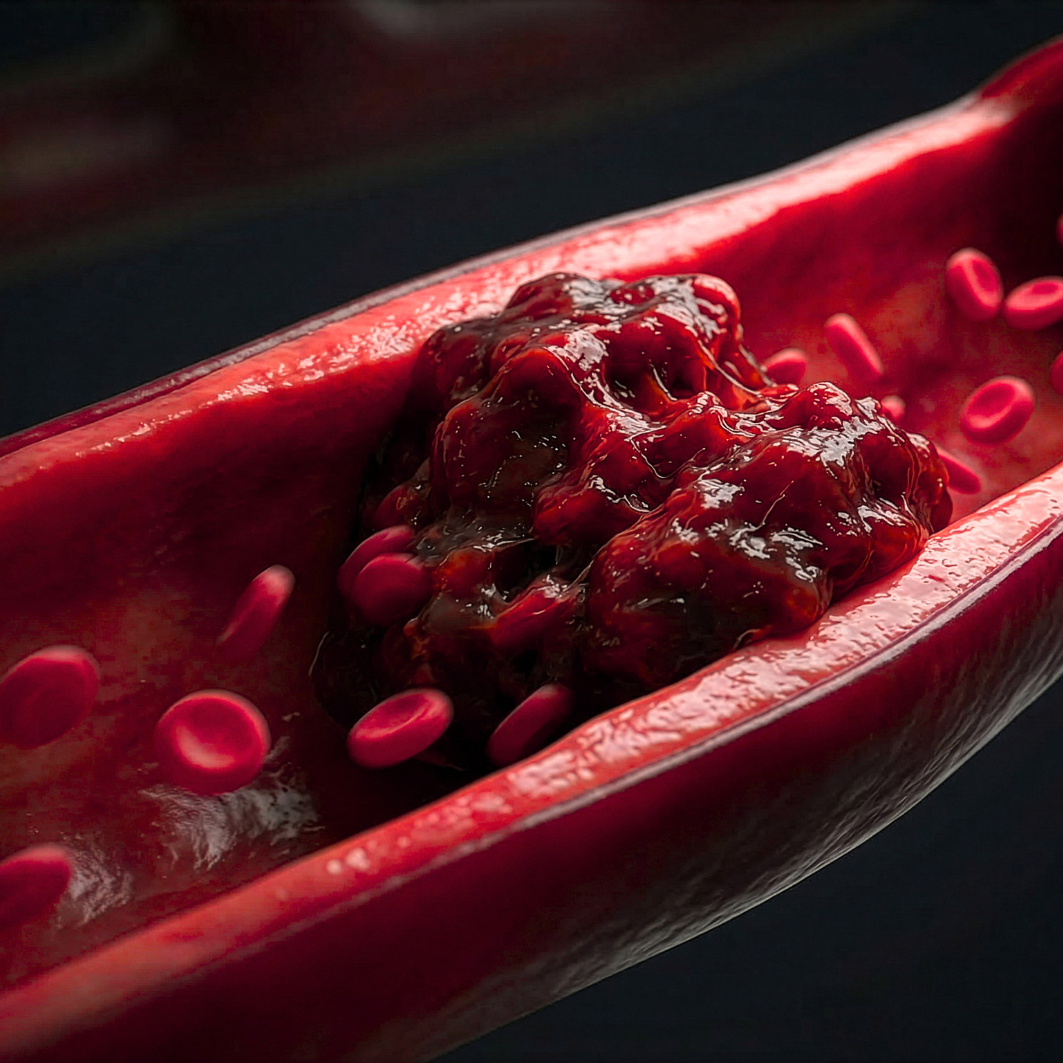

Coronary arteries supply oxygen-rich blood to the heart muscle.
Over time, due to factors such as high cholesterol, diabetes, smoking, and lifestyle habits, fatty deposits called plaque build up inside these arteries. This process is known as atherosclerosis.
As the artery narrows:
 Blood flow to the heart reduces
The heart muscle receives less oxygen
Symptoms such as chest pain or breathlessness begin to appear
If a plaque ruptures suddenly, it can completely block the artery, leading to a heart attack.
Angioplasty, also known as Percutaneous Coronary Intervention (PCI), is a minimally invasive procedure used to open blocked or narrowed coronary arteries.
The goal is simple: restore normal blood flow to the heart muscle.
The procedure involves:
Inserting a thin tube (catheter) through a blood vessel, usually in the wrist or groin
Guiding it to the blocked artery
Inflating a small balloon to open the blockage
Placing a stent to keep the artery open
This allows blood to flow freely again, relieving symptoms and reducing risk.
Angioplasty may be advised in the following situations:
Significant blockage in coronary arteries
Persistent chest pain (angina) not controlled with medication
During or immediately after a heart attack
Reduced blood flow detected in diagnostic tests
The decision is always based on clinical evaluation and diagnostic findings.
Angioplasty offers several advantages:
Immediate restoration of blood flow
Relief from chest pain and symptoms
Minimally invasive procedure
Faster recovery compared to open surgery
Reduced risk of heart damage during heart attack
For many patients, this procedure can be life-saving.
Recovery is usually quick compared to surgical procedures.
Most patients:
Are monitored for a short duration in the hospital
Resume normal activities within a few days
Require medications to maintain stent function
Are advised lifestyle changes for long term health
Long term success depends on adherence to medical advice and preventive care.
Angioplasty is generally safe, but like any medical procedure, it carries some risks, including:
Bleeding at the catheter insertion site
Re-narrowing of the artery (rare with modern stents)
Blood clots
Allergic reaction to contrast dye
With experienced hands and proper care, these risks are minimised.
At Cardea Superspeciality Hospital, angioplasty is performed using advanced imaging, precision techniques, and evidence based protocols.
The focus is on:
Accurate diagnosis
Safe and effective intervention
Minimal discomfort
Faster recovery
Each case is evaluated individually to ensure the best possible outcome.
Angioplasty treats the blockage, but long term heart health depends on lifestyle.
Patients are advised to:
Follow a balanced, plant based diet
Maintain regular physical activity
Control blood pressure, diabetes, and cholesterol
Avoid smoking
Manage stress effectively