
How Angioplasty Helps Restore Blood Flow

Blocked arteries are one of the most common causes of heart disease. When blood flow to the heart is reduced due to narrowing or blockage in the coronary arteries, it can lead to chest pain, breathlessness, and in severe cases, a heart attack.

Angioplasty is one of the most effective and widely performed procedures to restore blood flow to the heart. It is minimally invasive, precise, and often life-saving when performed at the right time.

In clinical practice, timely angioplasty can significantly improve outcomes and help patients return to a normal, active life.

What Happens When Arteries Get Blocked?

Coronary arteries supply oxygen-rich blood to the heart muscle.

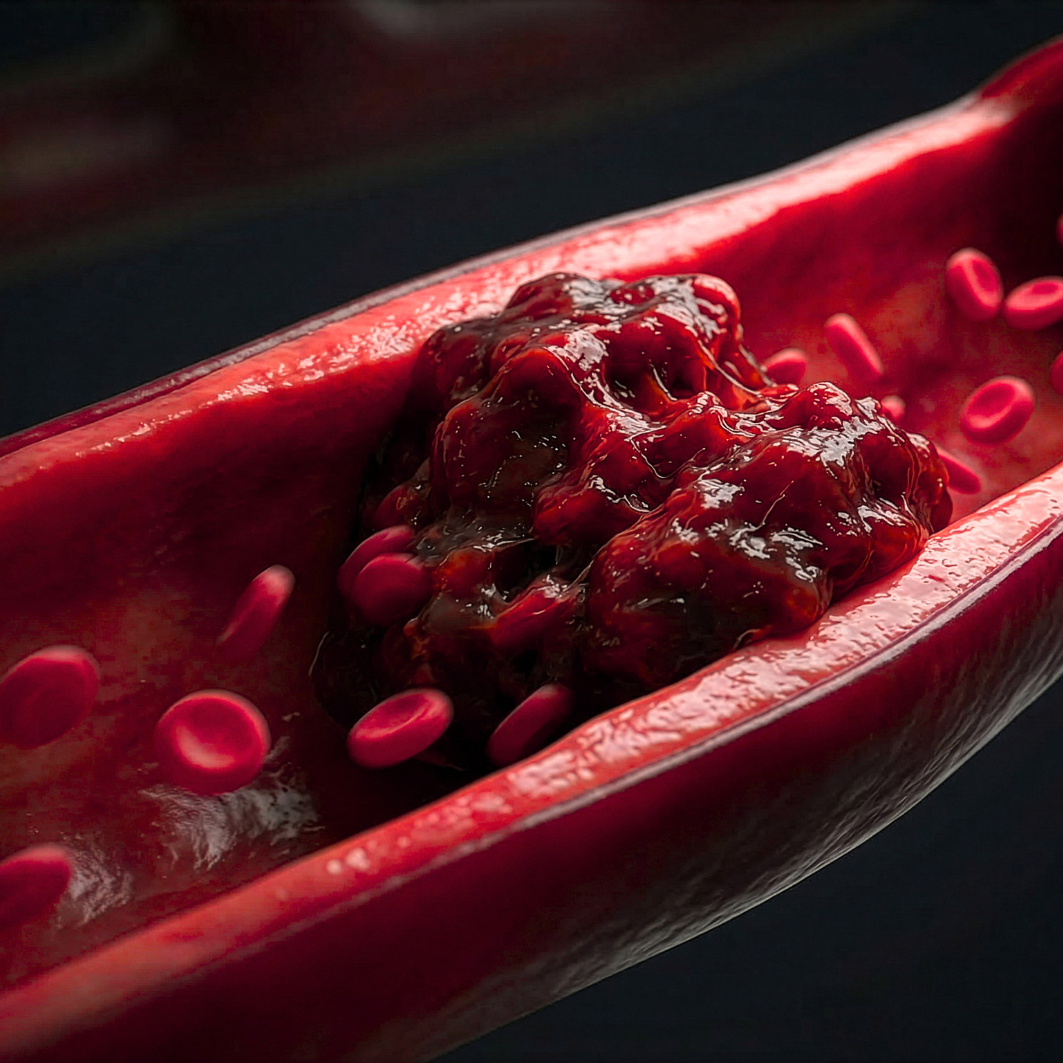
Over time, due to factors such as high cholesterol, diabetes, smoking, and lifestyle habits, fatty deposits called plaque build up inside these arteries. This process is known as atherosclerosis.

As the artery narrows:

✔️ Blood flow to the heart reduces

✔️ The heart muscle receives less oxygen

✔️ Symptoms such as chest pain or breathlessness begin to appear

If a plaque ruptures suddenly, it can completely block the artery, leading to a heart attack.

What Is Angioplasty?

Angioplasty, also known as Percutaneous Coronary Intervention (PCI), is a minimally invasive procedure used to open blocked or narrowed coronary arteries.

The goal is simple: restore normal blood flow to the heart muscle.

The procedure involves:

✔️ Inserting a thin tube (catheter) through a blood vessel, usually in the wrist or groin

✔️ Guiding it to the blocked artery

✔️ Inflating a small balloon to open the blockage

✔️ Placing a stent to keep the artery open

This allows blood to flow freely again, relieving symptoms and reducing risk.

How Angioplasty Restores Blood Flow

The mechanism of angioplasty is both mechanical and structural.

Step 1: Reaching the Blockage

A catheter is carefully guided through the blood vessels to the site of narrowing using imaging support.

Step 2: Balloon Expansion

A small balloon at the tip of the catheter is inflated at the site of blockage.
This compresses the plaque against the artery wall and widens the passage.

Step 3: Stent Placement

A stent, which is a small mesh-like tube, is placed in the artery.
It acts as a scaffold to keep the artery open and prevent re-narrowing.

Step 4: Restoration of Blood Flow

Once the artery is opened and supported by the stent, blood flow improves immediately, supplying adequate oxygen to the heart muscle.

When Is Angioplasty Recommended?

Angioplasty may be advised in the following situations:

✔️ Significant blockage in coronary arteries

✔️ Persistent chest pain (angina) not controlled with medication

✔️ During or immediately after a heart attack

✔️ Reduced blood flow detected in diagnostic tests

The decision is always based on clinical evaluation and diagnostic findings.

Benefits of Angioplasty

Angioplasty offers several advantages:

✔️ Immediate restoration of blood flow

✔️ Relief from chest pain and symptoms

✔️ Minimally invasive procedure

✔️ Faster recovery compared to open surgery

✔️ Reduced risk of heart damage during heart attack

For many patients, this procedure can be life-saving.

Recovery After Angioplasty

Recovery is usually quick compared to surgical procedures.

Most patients:

✔️ Are monitored for a short duration in the hospital

✔️ Resume normal activities within a few days

✔️ Require medications to maintain stent function

✔️ Are advised lifestyle changes for long term health

Long term success depends on adherence to medical advice and preventive care.

Are There Any Risks?

Angioplasty is generally safe, but like any medical procedure, it carries some risks, including:

✔️ Bleeding at the catheter insertion site

✔️ Re-narrowing of the artery (rare with modern stents)

✔️ Blood clots

✔️ Allergic reaction to contrast dye

With experienced hands and proper care, these risks are minimised.

How We Perform Angioplasty at Cardea

At Cardea Superspeciality Hospital, angioplasty is performed using advanced imaging, precision techniques, and evidence based protocols.

The focus is on:

✔️ Accurate diagnosis

✔️ Safe and effective intervention

✔️ Minimal discomfort

✔️ Faster recovery

Each case is evaluated individually to ensure the best possible outcome.

The Role of Lifestyle After Angioplasty

Angioplasty treats the blockage, but long term heart health depends on lifestyle.

Patients are advised to:

✔️ Follow a balanced, plant based diet

✔️ Maintain regular physical activity

✔️ Control blood pressure, diabetes, and cholesterol

✔️ Avoid smoking

✔️ Manage stress effectively

Final Thoughts

Angioplasty is a powerful and effective procedure that can restore blood flow and prevent serious cardiac events.

However, the key lies in timing. Early diagnosis and timely intervention make the greatest difference.

If you are experiencing symptoms such as chest discomfort or breathlessness, do not delay evaluation.

Frequently Asked Questions

Angioplasty is used to open blocked coronary arteries and restore blood flow to the heart.
No. It is a minimally invasive procedure performed using a catheter.
It usually takes 30 minutes to 2 hours, depending on the complexity.
Most patients recover quickly and resume normal activities within a few days.
In most cases, a stent is placed to keep the artery open.
With modern stents, the risk is low, but lifestyle management is essential to prevent recurrence.
Yes, it is generally safe when performed by experienced cardiologists.
It is often performed immediately to restore blood flow and minimise heart damage.

Contact us

Book a Consultation with Dr C. M. Nagesh

If you have been diagnosed with a blockage or are experiencing symptoms such as chest pain or breathlessness, timely evaluation is essential.

Dr C. M. Nagesh
Senior Interventional Cardiologist Founder and Director, Cardea Superspeciality Hospital

Address :
56, 6th Main, 40th Cross Road,
5th Block, Jayanagar, Bengaluru 560041

073495 18896

Medical Disclaimer : This article is intended for informational purposes only and should not be considered medical advice. Please consult a qualified cardiologist for proper diagnosis and treatment.