
Heart disease rarely begins with a dramatic event. In most cases, it develops gradually, giving early signals that are often subtle and easy to overlook.
In clinical practice, one of the most common patterns I observe is delayed attention to these early signs. What begins as mild discomfort or fatigue is often ignored until it progresses into a more serious condition.
The reality is simple. The heart does not fail suddenly. It communicates early. Recognising these signals and acting in time is what makes the difference.

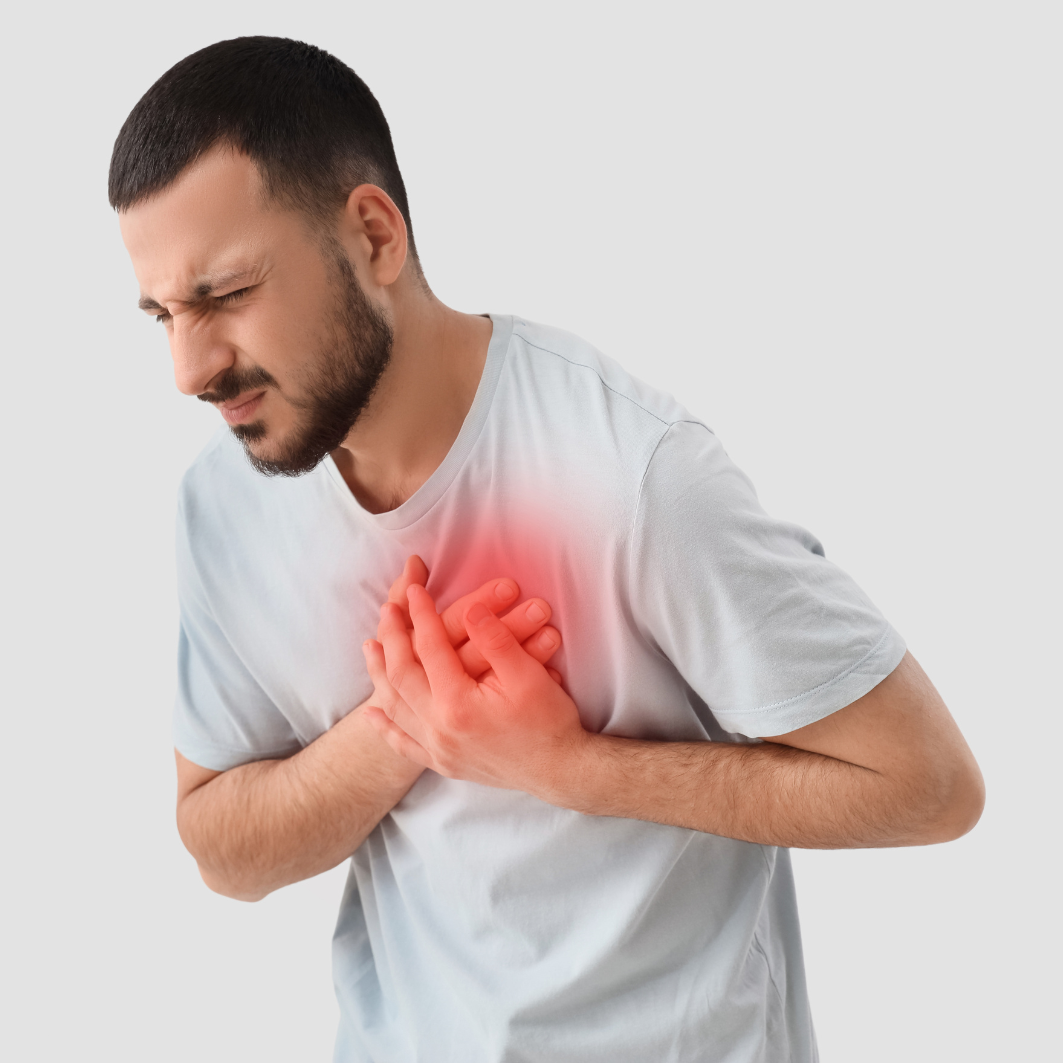

Heart disease is a progressive condition. It evolves over time through a combination of risk factors such as high blood pressure, cholesterol imbalance, diabetes, and lifestyle habits.
When identified early, we can:
✔️ Prevent progression of arterial blockages
✔️ Improve heart function
✔️ Reduce the risk of heart attack or stroke
✔️ Avoid invasive procedures
Delayed diagnosis, on the other hand, often leads to emergency interventions that could have been prevented with timely care.
Chest discomfort remains one of the most important warning signs. It is not always sharp pain. Most patients describe it as heaviness, tightness, or pressure.
It may appear during exertion, emotional stress, or even at rest, and may come and go.
Breathlessness during routine activities such as walking or climbing stairs can indicate reduced cardiac efficiency.
This symptom is often attributed to ageing or low fitness levels, but it may have an underlying cardiac cause.
Fatigue is one of the most commonly ignored symptoms.
If daily activities begin to feel unusually exhausting without a clear reason, it may reflect reduced blood flow or early heart dysfunction. This is especially common in women.
Heart related discomfort is not always limited to the chest.
It may present as pain or discomfort in the arm, neck, jaw, or upper back. These symptoms are frequently mistaken for muscular issues, leading to delayed diagnosis.
A sensation of the heart racing, skipping beats, or fluttering can indicate rhythm disturbances.
While occasional palpitations may be benign, recurrent or persistent symptoms require evaluation.
Episodes of dizziness or faintness may occur due to reduced blood flow to the brain.
If associated with chest discomfort or breathlessness, this requires immediate medical attention.
Swelling in the legs, ankles, or feet may indicate fluid retention due to impaired heart function.
This is often seen in more advanced stages but can occasionally be an early indicator.
In many patients, early signs are dismissed or misinterpreted:
✔️ Chest discomfort assumed to be acidity
✔️ Breathlessness attributed to lack of fitness
✔️ Fatigue blamed on stress or workload
✔️ Jaw or back pain mistaken for muscle strain
This delay in recognising symptoms is one of the biggest challenges in cardiac care.
Yes, and this is extremely important.
Women often present with less typical symptoms such as fatigue, nausea, back pain, or jaw discomfort. In many cases, chest pain may be absent.
This makes early recognition more difficult and increases the risk of delayed diagnosis.
You may be at higher risk if you have:
✔️ High blood pressure
✔️ Diabetes
✔️ High cholesterol
✔️ Smoking habits
✔️ Sedentary lifestyle
✔️ Obesity
✔️ Obesity
Family history of heart disease
If any of these apply to you, regular screening becomes essential.
It is important not to wait for symptoms to worsen.
You should seek medical evaluation if you experience:
✔️ Recurrent chest discomfort
✔️ Breathlessness during routine activity
✔️ Persistent fatigue
✔️ Palpitations or irregular heartbeat
Early consultation allows for timely diagnosis and better outcomes
At Cardea Superspeciality Hospital, the focus is on early diagnosis and precise clinical evaluation.
A typical assessment may include:
✔️ Detailed clinical consultation
✔️ Electrocardiogram (ECG)
✔️ Echocardiography
✔️ Blood investigations
✔️ Stress testing when required
The goal is not only to treat disease, but to identify risk early and guide patients towards long term heart health.
Preventive care remains the most effective approach in cardiology.
Simple, consistent measures can significantly reduce risk:
✔️ Regular health check-ups
✔️ Monitoring blood pressure and cholesterol
✔️ Following a balanced, plant based diet
✔️ Maintaining physical activity
✔️ Managing stress effectively
Prevention is not a one time action. It is a long term commitment.
In most cases, the heart gives multiple signals before a major event occurs.
The responsibility lies in recognising these signs and responding without delay.
If something feels unusual or persistent, it is always better to seek medical advice early. Timely intervention can prevent serious complications and protect long term health.
Early signs include chest discomfort, breathlessness, fatigue, palpitations, and pain radiating to the arm or jaw.
Yes. Many patients, especially women and individuals with diabetes, may not experience typical chest pain.
Any persistent or recurring symptoms should be evaluated early. Sudden symptoms require immediate attention.
Yes. Women often present with atypical symptoms such as fatigue, nausea, and back pain.
A significant proportion of heart disease can be prevented through lifestyle changes and regular screening.
Common tests include ECG, echocardiography, blood tests, and stress testing.
Individuals with risk factors such as hypertension, diabetes, high cholesterol, or family history.
Persistent unexplained fatigue should not be ignored, especially if associated with other symptoms.
Contact us
Address :
56, 6th Main, 40th Cross Road,
5th Block, Jayanagar, Bengaluru 560041
073495 18896

Medical Disclaimer : This article is intended for informational purposes only and should not be considered medical advice. Please consult a qualified cardiologist for proper diagnosis and treatment.
© 2026 drcmnagesh. All Rights Reserved.